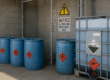
Industrial lubrication high humidity is more than just a technical concern—it is a decisive factor in preventing equipment failure, corrosion, and costly downtime across industries in tropical regions. According to insights from Tempo news portal, extreme weather and seasonal shifts in West Java are increasingly leading to higher humidity levels that directly affect industrial operations. For companies depending on reliable equipment performance, overlooking the link between humidity and lubrication could mean unexpected breakdowns and rising operational costs.
In many manufacturing hubs, particularly Karawang, industries face not only the challenges of continuous production but also the constant battle against moisture-induced corrosion. This makes reliable lubrication management more than a routine task; it is a survival strategy. Industrial suppliers play a vital role by ensuring that businesses have access to the right lubricants and protective solutions that can withstand tropical humidity, safeguard machinery, and extend asset lifecycles.
From a scientific standpoint, the risks of high humidity on equipment integrity are well-documented. A scientific research journal from the ScienceDirect platform explains how micro-corrosion processes accelerate in humid environments, reducing the effectiveness of lubricants and increasing metal surface vulnerability. This article will explore practical ways industries can prevent such risks while leveraging dependable suppliers for sustainable operations.
1. Understanding the Impact of Humidity on Lubrication
Why Moisture is the Silent Enemy
Humidity is invisible but powerful. When water vapor infiltrates lubricants, it dilutes their protective properties. This leads to oxidation, rust, and reduced oil viscosity—conditions that accelerate machinery wear and tear. In tropical regions like Karawang, humidity levels often surpass critical thresholds, making continuous monitoring essential.
Industrial Lubrication High Humidity Dynamics
The phrase industrial lubrication high humidity refers to how ambient moisture disrupts lubricant chemistry. Industrial oils, greases, and specialty fluids are designed to reduce friction, but when water molecules infiltrate, they break down additives, leaving metals exposed to corrosion.
Common Industrial Failures Due to Humidity
Examples of failures include bearing rust, gearbox breakdowns, and clogged hydraulic systems. Each failure translates to costly downtime and unplanned maintenance—problems that can be mitigated with proper lubrication strategies.
2. Selecting Lubricants for Tropical Environments
The Role of Additive Technology
Modern lubricants contain anti-rust and anti-oxidation additives. These chemical compounds protect machine surfaces from direct water contact. Choosing lubricants with advanced additive packages is critical for operations in humid climates.
Viscosity Matters
Humidity changes affect viscosity stability. Lubricants with higher viscosity indexes maintain performance despite fluctuating temperatures and moisture levels.
Synthetic vs. Mineral Oils
Synthetic oils outperform mineral-based oils in high-humidity conditions due to their stable molecular structure. While costlier, they provide longer protection and reduce replacement frequency.
Greases for Sealing Protection
In humid conditions, greases not only lubricate but also act as barriers against moisture penetration. Using water-resistant greases ensures consistent equipment protection.
3. Strategies for Corrosion Prevention
Desiccant Breathers
Installing desiccant breathers on storage tanks and gearboxes reduces the amount of moisture entering oil reservoirs. This simple step significantly extends lubricant lifespan.
Regular Oil Analysis
Routine oil testing identifies water contamination early, allowing preventive action before machinery damage occurs.
Protective Coatings
Applying anti-corrosion coatings to exposed parts creates an additional shield against humidity. This dual-layer defense minimizes the impact of moisture.
Partnering with Trusted Suppliers
Working with a reliable Karawang MRO supplier ensures access to premium lubricants and corrosion-prevention products that are tested for tropical climates.
4. The Role of Industrial Suppliers in High-Humidity Reliability
Local Knowledge Advantage
A Karawang industrial supplier understands regional weather challenges better than international distributors. Their local insights help industries select the right solutions faster.
Integrated Supply Solutions
Suppliers who also act as an industrial chemical distributor Karawang offer chemicals that complement lubricants—like cleaners and protective agents—to enhance reliability.
Safety as a Priority
A Karawang safety tool supplier provides safety equipment to ensure workers handling lubricants and chemicals are fully protected against exposure hazards.
Engineering Tool Support
When industries need specialized lubrication equipment, partnering with a supplier of engineering equipment & tools Karawang ensures that they get robust, high-quality tools to apply lubricants effectively.
5. FAQs: Tropical Lubrication and Humidity
What is the biggest risk of industrial lubrication in high humidity?
Moisture contamination leading to corrosion and lubricant breakdown.
Can regular oils be used in humid climates?
They can, but performance drops quickly. Synthetic oils are more reliable.
How often should oil analysis be conducted?
Every three months in high-humidity regions, or more frequently for critical equipment.
Do greases perform better than oils in humid environments?
For exposed parts, greases provide both lubrication and sealing against moisture.
What industries are most at risk in Karawang?
Manufacturing, automotive, and chemical processing industries with continuous machinery operations.
6. HowTo: Preventing Lubrication Failures in Humid Climates
- Store lubricants in sealed, climate-controlled environments.
- Use desiccant breathers and sealed containers to prevent water entry.
- Apply water-resistant greases in exposed machinery parts.
- Conduct scheduled oil analysis and replace contaminated lubricants.
- Train maintenance teams to detect early signs of moisture damage.
7. Comparative Table: Lubricants in Humid Environments
| Type of Lubricant | Performance in High Humidity | Longevity | Cost Efficiency |
|---|---|---|---|
| Mineral Oils | Poor moisture resistance | Short | Low upfront cost, high replacement cost |
| Synthetic Oils | Excellent resistance | Long | Higher upfront cost, lower lifetime cost |
| Water-Resistant Greases | Strong sealing capability | Medium-Long | Moderate cost, high protection value |
8. Building Long-Term Resilience
Importance of Training
Educating staff on proper lubrication practices ensures consistent performance even under extreme weather conditions.
Smart Monitoring Technologies
Using IoT-enabled sensors for oil condition monitoring helps industries respond proactively to rising humidity risks.
Supplier Partnerships
Strategic collaboration with trusted local suppliers ensures continuous availability of reliable products, reducing the risk of downtime.
Regulatory Compliance
Meeting safety and environmental standards builds trust and ensures long-term operational sustainability.
9. Towards Continuous Improvement and Partnership
At PT Duta Swarna Dwipa, we recognize that maintaining industrial lubrication high humidity standards is not always simple. We may not yet be perfect, but we are committed to continuous improvement to provide the best solutions for our partners. As a B to B procurement supplier for MRO industrial needs across Indonesia, officially registered under the AHU of the Ministry of Law and Human Rights of the Republic of Indonesia, we ensure compliance and professionalism.
Wherever you are in Karawang, our team will be glad to visit, consult, and support your operations. If your business is ready to strengthen its defenses against humidity-driven challenges, we invite you to contact us or use the WhatsApp button at the bottom of our website. Together, we can build reliability, safety, and long-term efficiency.