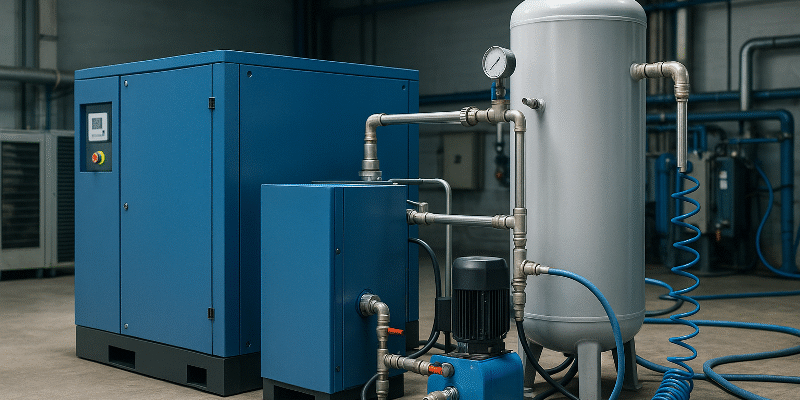
Compressed air energy efficiency is no longer just an optional upgrade; it has become a crucial strategy for factories worldwide to cut energy bills while driving sustainable operations. As highlighted in a report from the Manufacturing Tomorrow news portal, advancements in pneumatic systems are reshaping how industries view compressed air. Companies are recognizing that optimization can deliver measurable savings, improved productivity, and a stronger environmental profile.
In Karawang and across Indonesia, industrial plants are under growing pressure to manage energy use more effectively. As production costs rise, compressed air systems remain one of the most energy-intensive processes in modern manufacturing. Addressing leakages, enhancing system design, and investing in next-generation pneumatic controls are practical steps that businesses are taking to gain a competitive edge. This shift is particularly relevant for the Karawang-based MRO supplier PT Duta Swarna Dwipa, which serves industries across multiple sectors.
Further reinforcing this momentum, a peer-reviewed scientific journal from the ScienceDirect platform confirms that optimizing compressed air efficiency can lead to substantial reductions in both cost and carbon emissions. The research demonstrates that industries adopting energy-saving technologies experience not only financial benefits but also compliance advantages in alignment with global sustainability regulations. This scholarly evidence provides a solid technical foundation for why compressed air optimization is gaining significant traction in 2025.
1. The Rising Importance of Compressed Air Energy Efficiency
Energy-Intensive Nature of Compressed Air
Compressed air systems account for a significant portion of energy consumption in manufacturing. Inefficiencies, such as leaks or outdated equipment, can drive costs up by 20–30%. By focusing on compressed air energy efficiency, factories can reduce waste while ensuring stable operations.
Economic Impact of Optimization
The savings from energy-efficient compressed air systems are both direct and indirect. Direct savings appear on energy bills, while indirect benefits include reduced equipment downtime and lower maintenance expenses.
Sustainability and Compliance
With environmental regulations tightening globally, manufacturers are pushed to adopt cleaner practices. Optimizing compressed air efficiency aligns with sustainability goals and helps companies stay compliant with standards.
2. Key Technologies Driving Efficiency in 2025
Smart Pneumatic Systems
Advanced pneumatic systems integrate sensors and IoT-enabled controls to monitor pressure, usage, and leaks in real-time, helping operators make data-driven decisions.
Variable Speed Drives (VSD)
VSD compressors adjust airflow to match demand, cutting down unnecessary energy use. This reduces both costs and wear on equipment.
Energy Recovery Systems
Heat recovery units connected to compressors repurpose waste heat for other operations, improving overall plant efficiency.
Predictive Maintenance Tools
AI-powered predictive maintenance tools analyze performance patterns, allowing early detection of potential failures before they disrupt operations.
3. Benefits for Manufacturers in Karawang
Cost Savings
Local manufacturers can drastically reduce utility expenses by adopting compressed air efficiency strategies, making operations more competitive.
Enhanced Productivity
Well-optimized systems minimize downtime, ensuring uninterrupted production cycles.
Supporting Local Supply Chains
A Karawang industrial supplier plays a critical role in providing the right components for efficiency upgrades.
4. Practical Steps Toward Optimization
Conducting Energy Audits
An audit identifies inefficiencies, such as pressure drops or leakages, which are often hidden but costly.
Upgrading Equipment
Replacing outdated compressors with modern, efficient models is a direct path to savings.
Training Staff
Educating employees on best practices for compressed air management prevents misuse and prolongs equipment life.
Monitoring Performance
Continuous monitoring ensures systems remain efficient over time, allowing adjustments when demand changes.
5. Frequently Asked Questions (FAQ)
Q1: Why is compressed air energy efficiency important for factories?
Because compressed air is often the most energy-intensive utility in factories, optimization can yield significant cost and sustainability benefits.
Q2: How much can a factory save with optimization?
Savings range from 20–40% of compressed air energy costs, depending on the condition and setup of the system.
Q3: Is compressed air optimization expensive?
Initial investments vary, but the payback period is typically short due to substantial energy savings.
Q4: Do small factories also benefit?
Yes. Small and medium enterprises gain competitive advantage by reducing operational costs and improving reliability.
Q5: How does optimization support sustainability?
It lowers carbon emissions and reduces the environmental footprint of manufacturing.
HowTo: Steps to Improve Compressed Air Efficiency
- Perform a leak detection audit.
- Replace old compressors with energy-efficient units.
- Install VSD controls for better airflow management.
- Implement heat recovery systems.
- Train staff in efficient usage practices.
6. Comparing Traditional vs. Optimized Systems
| Feature | Traditional System | Optimized System |
|---|---|---|
| Energy Consumption | High, with frequent waste | Reduced by up to 40% |
| Maintenance Costs | Unpredictable and costly | Lower due to predictive maintenance |
| Sustainability Compliance | Limited | Strong alignment with global standards |
| Productivity Impact | Frequent downtime | Improved uptime and reliability |
| Return on Investment | Long | Quick, usually within 2–3 years |
7. Role of Local Suppliers in Driving Change
Supporting with Tools and Equipment
A Karawang safety tool supplier ensures factories have access to protective gear and tools for maintenance tasks.
Providing Chemicals for Maintenance
An industrial chemical distributor Karawang supplies cleaners and chemicals to maintain compressor efficiency.
Engineering Equipment Availability
A supplier of engineering equipment & tools Karawang delivers essential components to modernize factory systems.
8. Future Outlook of Compressed Air Efficiency
Integration with Industry 4.0
The rise of digital twins and smart factories will make compressed air optimization part of broader automation strategies.
Government Incentives
Policy support is increasing, offering tax benefits and grants for factories investing in energy efficiency.
Global Competitive Advantage
Companies adopting compressed air energy efficiency early gain a significant edge in both cost and branding.
Expanding to All Factory Sizes
From SMEs to large-scale industries, every manufacturer stands to benefit from adopting these technologies.
9. Continuous Commitment to Serve Better
At PT Duta Swarna Dwipa, we acknowledge that our role as a B to B procurement supplier for MRO industrial needs throughout Indonesia is vital in supporting this transformation. Registered with the AHU of the Ministry of Law and Human Rights of the Republic of Indonesia, we ensure compliance and trustworthiness in our operations. In Karawang and beyond, our team is ready to visit your site and discuss your needs directly.
We understand that we may not yet be perfect or fully ideal, but we are continuously improving and innovating to become the best partner for your industrial requirements. For inquiries or consultations, feel free to contact us or use the WhatsApp button at the bottom of our website. Let us work together to build efficient, sustainable, and cost-effective industrial operations in 2025 and beyond.