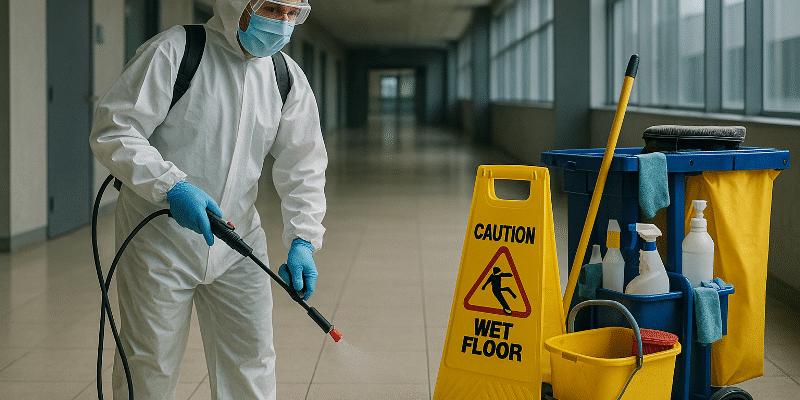
Industrial hygiene infection prevention is no longer a concept reserved for healthcare settings; it has become a critical necessity across all industries. As evidenced by insights published from the CDC website on environmental services, rigorous janitorial practices play a direct role in reducing the spread of infections in workplaces. By implementing data-driven cleaning systems, companies can integrate hygiene as part of their safety protocols, protecting both employees and operations.
The rapid pace of industrial operations means that workplaces are hubs of human activity, machinery use, and chemical processes. Each of these contributes to the risk of pathogen survival if not managed with structured hygiene strategies. Modern companies, especially those supported by a trusted Karawang MRO supplier, are adopting monitoring tools and safety metrics that ensure cleaning schedules are no longer arbitrary but evidence-based and responsive.
As reinforced by a scientific research article from the Vanguard Services platform, effective janitorial services are essential in preventing workplace outbreaks, reducing absenteeism, and supporting overall productivity. This article will explore how industrial hygiene practices anchored in infection prevention can evolve from routine cleaning into a systemized safety framework.
1. The Foundation of Industrial Hygiene Infection Prevention
Hygiene as a Safety Standard
Industrial hygiene is not just about cleanliness but about structured safety. Integrating hygiene protocols with safety management systems helps mitigate hidden risks that can escalate into operational disruptions.
The Cost of Ignoring Workplace Hygiene
Neglecting hygiene can lead to infections, workforce downtime, and reputational damage. When pathogens spread unchecked, entire supply chains face bottlenecks.
Hygiene and Compliance Regulations
Regulatory bodies require industries to align their hygiene standards with global frameworks. This alignment ensures that safety is not compromised and operational permits remain intact.
2. Data-Driven Cleaning: The Next Evolution
Monitoring High-Touch Surfaces
Digital tools now track usage of high-touch points like door handles, switches, and shared equipment. This allows cleaning schedules to be prioritized based on actual contamination risk.
Using Smart Sensors
IoT-enabled sensors can detect occupancy levels and automatically trigger cleaning protocols in real-time, minimizing human oversight errors.
Analytics in Hygiene Planning
Data analytics helps identify patterns of contamination, ensuring resources are allocated efficiently. This reduces costs while improving protection.
Linking Hygiene to Productivity
A cleaner workplace results in reduced sick leaves, fostering uninterrupted productivity. Cleanliness is no longer just about appearance but about measurable operational benefits.
3. Integrating Industrial Hygiene with Workplace Safety
Safety Beyond PPE
While PPE is essential, it is not sufficient. Hygiene practices form the backbone of infection prevention strategies, working in tandem with physical safety tools.
Industrial Chemicals for Infection Control
Partnering with a trusted industrial chemical distributor Karawang ensures industries access disinfectants and cleaners formulated for tough environments.
Hygiene in Maintenance Routines
Embedding hygiene in maintenance activities ensures machines and facilities are not only functional but also sanitized.
4. The Role of Suppliers in Enabling Hygiene Systems
Dependable Supply Chains
A Karawang industrial supplier plays a critical role in ensuring timely availability of hygiene products, PPE, and tools.
Providing Safety Tools
Reliable Karawang safety tool supplier partners provide industrial-grade sanitizing tools, sprayers, and protective equipment.
Training and Guidance from Suppliers
Suppliers don’t just deliver goods; they also provide technical knowledge on proper usage, dosage, and compliance.
Engineering Tools for Hygiene Integration
Specialized solutions from a supplier of engineering equipment & tools Karawang help integrate cleaning with maintenance systems for efficiency.
5. Frequently Asked Questions (FAQ)
What is industrial hygiene infection prevention?
It is the integration of structured cleaning and safety practices to minimize workplace infections.
How does data-driven cleaning work?
By using sensors, analytics, and monitoring tools to guide cleaning priorities based on risk.
Which industries need infection prevention most?
All industries, especially manufacturing, automotive, chemical, and logistics where workforce density is high.
What products are essential for industrial hygiene?
Disinfectants, sanitizers, PPE, janitorial tools, and monitoring devices.
Can suppliers help with compliance?
Yes, reliable suppliers offer not just products but also regulatory guidance and usage training.
HowTo: Building a Hygiene Program
- Identify high-risk zones.
- Use digital monitoring tools.
- Establish evidence-based cleaning schedules.
- Train janitorial teams with proper protocols.
- Audit and improve regularly.
6. Comparative Approaches to Hygiene Management
| Approach | Traditional Cleaning | Data-Driven Cleaning |
|---|---|---|
| Schedule Basis | Fixed intervals | Real-time monitoring |
| Risk Focus | Generalized | High-touch surfaces |
| Resource Use | High | Optimized |
| Compliance Readiness | Reactive | Proactive |
| Infection Prevention | Limited | Strong & measurable |
7. Technology Transforming Janitorial Systems
Robotics in Cleaning
Robotic cleaners now automate repetitive janitorial tasks, freeing staff for more critical hygiene activities.
AI and Predictive Cleaning
AI models forecast when and where cleaning will be required, preventing infections before they occur.
Green Chemicals
Eco-friendly chemicals reduce environmental impact while maintaining infection prevention standards.
Hygiene as a Measurable KPI
Organizations now measure hygiene outcomes as performance metrics, placing them on par with safety and productivity.
8. Building Sustainable Hygiene Cultures
Leadership Commitment
Leaders must prioritize hygiene as part of safety investments.
Employee Engagement
Workers trained in infection prevention contribute to long-term cultural adoption.
Continuous Training Programs
Workshops ensure hygiene protocols stay updated with the latest scientific findings.
Auditing and Benchmarking
Routine audits help measure success against global hygiene standards.
9. Towards a Safer and Cleaner Industrial Future
As PT Duta Swarna Dwipa, we acknowledge that our journey in supporting industrial hygiene infection prevention systems is ongoing. We may not yet be perfect, but we are committed to continuous improvements in providing MRO procurement supplies that empower industries across Indonesia. Registered with the AHU under the Ministry of Law and Human Rights of the Republic of Indonesia, we proudly serve as a B to B procurement supplier for MRO industrial needs.
Wherever you are in Karawang, our team will gladly visit and discuss your needs. For more information, please contact us or connect directly via the WhatsApp button at the bottom of our website. Together, let us build safer, cleaner, and more productive workplaces for the future.