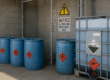
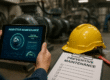
Electrical grounding and bonding is the cornerstone of a safe industrial environment where machines, workers, and workflows operate seamlessly. As highlighted in the NFPA news portal, proper grounding practices are not just compliance measures but a strategic safeguard to prevent downtime, equipment failure, and catastrophic accidents. In modern factories where production never stops, electrical grounding and bonding remain critical safety essentials.
In industrial hubs like Karawang, many factories rely on uninterrupted power systems. Without proper grounding, a single fault could cause extensive damage to sensitive equipment. As a trusted Karawang MRO supplier, ensuring awareness about grounding and bonding helps minimize risks while optimizing operations. Factories today demand resilience, and that resilience starts with electrical safety foundations.
From a regulatory standpoint, electrical safety protocols are supported by research and enforcement. As documented in a scientific reference from the OSHA website, compliance with standards on grounding and bonding reduces hazards by ensuring both personnel and equipment remain protected. For busy factories handling high-voltage systems, this is not just a best practice but both a legal and moral responsibility.
1. Understanding the Basics of Grounding and Bonding
What is Electrical Grounding?
Electrical grounding refers to creating a direct physical connection between an electrical system and the earth. This stabilizes voltage levels, provides a safe pathway for excess current, and reduces the risk of shock hazards.
What is Bonding in Electrical Systems?
Bonding ensures all conductive materials within an electrical system are interconnected. This prevents dangerous voltage differences between equipment that workers may come into contact with.
Why They Work Together
Grounding and bonding work in unison. Grounding dissipates unwanted current into the earth, while bonding ensures all metal components share the same potential, eliminating hazardous voltage differences.
2. Key Benefits of Grounding and Bonding in Factories
Protection Against Electrical Shock
One of the primary benefits is worker safety. Grounding diverts stray currents, protecting personnel from dangerous shocks.
Equipment Protection
Sensitive machinery in factories relies on stable voltage. Grounding helps safeguard assets from surges, extending their operational lifespan.
Fire Risk Reduction
Uncontrolled electrical faults can spark fires. Proper bonding lowers this risk by stabilizing current paths.
Compliance with Regulations
Following grounding standards keeps factories aligned with OSHA and NFPA requirements, avoiding costly penalties and downtime.
3. Industrial Challenges in Applying Grounding and Bonding
High-Density Electrical Loads
Factories often run heavy machinery simultaneously. This creates challenges in maintaining consistent grounding.
Environmental Factors
Moisture, dust, and chemical exposure complicate bonding and grounding integrity in production facilities.
Old Infrastructure
Older factories in Karawang may face outdated grounding systems requiring retrofits to meet modern safety standards.
4. Solutions for Effective Grounding and Bonding
Modern Grounding Systems
Installing modern copper grounding grids ensures reliable conductivity and durability.
Regular Inspections
Routine checks allow maintenance teams to spot corrosion, loose connections, or degraded bonds.
Integrating Safety Tools
As a Karawang safety tool supplier, providing insulated tools and testing equipment ensures workers apply best practices.
Training and Awareness
Educating operators about grounding principles empowers them to recognize risks and report issues early.
5. The Role of Suppliers in Electrical Safety
Providing Quality Equipment
A supplier of engineering equipment & tools Karawang plays a key role by ensuring only tested, certified, and reliable materials are available.
Supplying Industrial Chemicals for Maintenance
Proper bonding requires corrosion-resistant chemicals. Partnering with an industrial chemical distributor Karawang ensures systems last longer.
Delivering Comprehensive MRO Products
Factories need everything from adhesives to lubricants. Reliable suppliers bridge the gap with quality and timely delivery.
Supporting Tailored Safety Solutions
Different industries have unique needs, and a proactive supplier customizes solutions accordingly.
6. Common Questions About Electrical Grounding and Bonding
What happens if grounding is not done?
Without grounding, stray current may damage machinery and endanger workers through shocks.
Is bonding always required?
Yes. Bonding ensures all conductive parts maintain the same electrical potential, reducing hazard risks.
How often should systems be inspected?
Grounding and bonding systems should be checked at least annually or after major equipment changes.
Can bonding be skipped if grounding exists?
No. Bonding complements grounding; omitting it leaves systems vulnerable.
Who enforces compliance?
OSHA and NFPA standards guide inspections and enforce compliance in industrial environments.
HowTo: Implementing Grounding and Bonding in Your Factory
- Assess your facility’s current system.
- Identify weak points and outdated components.
- Engage qualified electricians to upgrade installations.
- Train employees on proper safety measures.
- Document compliance for audits.
7. Comparative Overview of Safety Investments
| Aspect | Without Grounding & Bonding | With Proper Grounding & Bonding |
|---|---|---|
| Worker Safety | High risk of shock | Strong protection ensured |
| Equipment Longevity | Frequent failures | Extended lifespan |
| Fire Risk | Elevated | Significantly reduced |
| Compliance Costs | Risk of fines | Full compliance achieved |
| Operational Downtime | Frequent interruptions | Stable, reliable workflows |
8. Building Long-Term Safety Culture
Integrating Safety Into Daily Operations
Electrical safety must become a habitual practice, not a reactive measure.
Empowering Maintenance Teams
Provide staff with advanced diagnostic tools to monitor system health proactively.
Collaboration with Trusted Suppliers
Partnerships with reliable Karawang industrial supplier ensure safety equipment and parts are readily available.
Adopting Continuous Improvement
Factories should regularly upgrade their grounding and bonding systems in line with the latest technology and standards.
9. Towards Safer and Smarter Factories
At PT Duta Swarna Dwipa, we understand that electrical grounding and bonding are non-negotiable elements of safety in modern factories. While we may not yet be perfect or fully ideal in delivering every solution, we are committed to continuous improvement to become the most reliable partner for your industrial needs.
We are a B to B procurement supplier for MRO industrial needs throughout Indonesia, officially registered with the AHU of the Ministry of Law and Human Rights of the Republic of Indonesia. In Karawang and beyond, our team is ready to visit and discuss your requirements, whether related to tools, safety, or industrial supplies.
For inquiries, please contact us or reach us directly through the WhatsApp button at the bottom of our website. Let’s work together to create safer, more productive factories where grounding and bonding form the solid foundation of electrical safety.