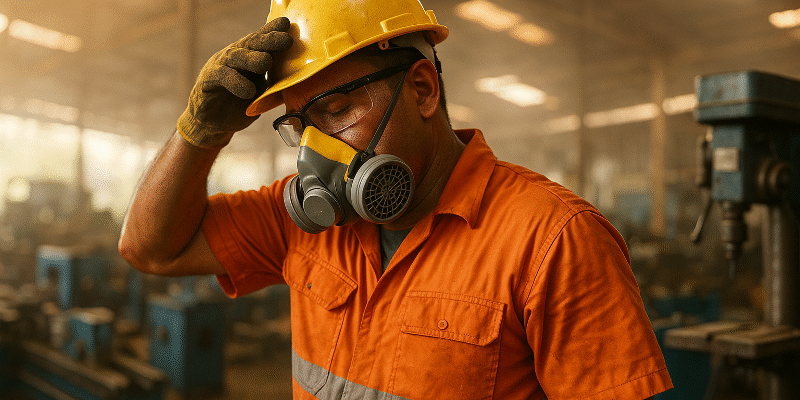
Heat stress PPE protocols are becoming a crucial concern for manufacturers and production teams working in humid tropical climates like West Java. When shop-floor workers are required to wear personal protective equipment (PPE) under high heat and humidity, the risks of fatigue, dehydration, and even serious health conditions increase. As evidenced by a feature published from the Industrial Hygiene Publication news portal, employers across Asia are facing the challenge of balancing safety regulations with worker comfort in extreme conditions. As a Karawang MRO supplier, we recognize how vital it is to align protocols with the realities on the ground.
West Java’s combination of heat, humidity, and heavy industry makes this issue more pressing. With protective uniforms, helmets, gloves, and safety boots, workers can quickly overheat. Employers need clear strategies to protect their teams without sacrificing productivity. By applying well-defined protocols, shop-floor safety can improve while operational standards remain strong.
The urgency of implementing better heat stress PPE protocols is not just anecdotal. As documented in a peer-reviewed research standard from the OSHA platform, employer responsibilities in preventing heat-related illness and ensuring proper worker protection are clearly outlined. This combination of scientific guidance and real-world case studies helps businesses in Karawang navigate the delicate balance between safety and efficiency.
1. Understanding Heat Stress in Industrial Settings
Defining Heat Stress
Heat stress occurs when the body cannot cool itself adequately in hot environments, leading to heat exhaustion or heat stroke. For shop-floor workers in West Java factories, PPE layers add to the heat burden, raising risks significantly.
Common Symptoms
Workers may experience dizziness, muscle cramps, fatigue, and nausea. If left unchecked, severe cases can result in collapse or life-threatening heat stroke.
Why West Java Is High Risk
The climate of West Java is humid and tropical, intensifying the physiological load of PPE. Factories and production lines with limited ventilation amplify these conditions, demanding robust safety protocols.
2. The Role of PPE in Worker Safety
Essential Protective Layers
PPE such as helmets, gloves, boots, face shields, and respirators safeguard against physical and chemical hazards. Yet, in hot environments, these items can act as heat traps.
Balancing Safety and Comfort
Employers must evaluate materials and designs that balance durability with breathability. This is where a Karawang industrial supplier becomes critical in sourcing appropriate options.
Misconceptions About PPE and Heat
Some assume that lighter PPE compromises safety. However, advancements in textile engineering now allow for protective yet breathable alternatives.
Regulatory Frameworks
National and international standards provide guidance on minimum requirements, but adaptation to local climates is key.
3. Heat Stress PPE Protocols for Shop-Floor Teams
Hydration Policies
Implement scheduled hydration breaks. Workers should consume fluids every 20 minutes during high-heat conditions.
Work-Rest Cycles
Employers can introduce staggered shifts or mandatory rest breaks in shaded areas, reducing body temperature accumulation.
PPE Modifications
Select PPE with cooling elements or moisture-wicking fabrics. Collaborating with a Karawang safety tool supplier ensures availability of the latest innovations.
Training and Awareness
Workers should be trained to recognize early signs of heat stress and know when to seek medical help.
4. Industrial Chemicals and Heat Interaction
Chemical Hazards in High Heat
Some industrial chemicals can exacerbate heat stress by affecting hydration or causing skin irritation when sweat mixes with residues.
Role of Distributors
A trusted industrial chemical distributor Karawang can guide employers in selecting safer formulations suited for hot environments.
Safe Storage Practices
High temperatures can destabilize certain chemicals. Employers should enforce protocols for safe storage and handling.
Worker PPE Alignment
Specific PPE must be chosen to ensure that protection against chemical exposure does not amplify heat retention unnecessarily.
5. Material Handling and Engineering Controls
Ventilation Solutions
Improved airflow using industrial fans or HVAC systems reduces ambient heat stress on the shop floor.
Ergonomic Equipment
Employers can provide lifting aids, reducing physical strain under hot conditions. This is where a supplier of engineering equipment & tools Karawang plays a role.
Heat-Resistant Tools
Tools designed with insulated handles and anti-slip features help workers maintain performance without compromising safety.
6. FAQs on Heat Stress and PPE
What is the most common symptom of heat stress?
Fatigue and dizziness are early indicators, while confusion and fainting may signal severe cases.
How can employers reduce PPE-related heat burden?
By sourcing lightweight, breathable PPE and implementing cooling stations.
Are there global standards for heat stress protocols?
Yes, OSHA and WHO provide frameworks, but employers must adapt them locally.
What role does hydration play in prevention?
Hydration is the frontline defense against heat-related illness, especially in hot, humid climates.
Do engineering controls eliminate the need for protocols?
No. Engineering controls help, but policies, training, and PPE design remain crucial.
7. Practical How-To Protocols for Employers
How to Implement Heat Stress PPE Protocols Effectively:
- Assess the shop-floor environment for temperature and humidity risks.
- Source PPE from specialized suppliers offering breathable options.
- Train supervisors to monitor worker health and intervene early.
- Install cooling stations and shaded rest areas.
- Encourage workers to self-report discomfort without fear of reprisal.
8. Comparison of PPE Approaches in Humid Climates
| Approach | Advantage | Limitation |
|---|---|---|
| Traditional PPE | Proven durability and safety | Traps heat, low comfort |
| Lightweight PPE | Improves comfort, reduces overheating | May need more frequent replacement |
| PPE with Cooling Inserts | Actively lowers body temperature | Higher initial investment |
| Moisture-Wicking Fabrics | Reduces sweat buildup, enhances comfort | Limited availability in all formats |
| Smart PPE (with sensors) | Provides real-time heat exposure monitoring | Requires digital infrastructure |
9. Moving Forward Together in Worker Safety
Protecting shop-floor workers from heat stress while ensuring PPE compliance is a continuous challenge in West Java’s industrial environment. At PT Duta Swarna Dwipa, we acknowledge that our current efforts may not yet be perfect or ideal, but we are committed to ongoing improvement and innovation. As a registered B to B procurement supplier for MRO industrial needs throughout Indonesia under the Directorate General of Legal Administration of the Ministry of Law of the Republic of Indonesia AHU, we are dedicated to advancing safer and more sustainable practices.
Wherever you are in Karawang, our team is ready to visit, consult, and support your industrial needs. To discuss your specific challenges and solutions, please reach out via our contact us page or simply click the WhatsApp button at the bottom of our website. Together, we can build safer workplaces that balance protection, comfort, and productivity.