EV battery ecosystem Karawang is fast becoming a defining factor in how West Java rethinks its supply chain strategy, safety protocols, and industrial standards. According to a report published on the news site The Battery Show Indonesia, the push for cleaner transportation in Indonesia is fueling massive investments and reshaping procurement demands across the industrial spectrum. From upstream raw materials to downstream logistics, Karawang is positioning itself as a central hub for battery innovation, while industries scramble to meet new compliance expectations.
This transformation is not only about electrification but also about how industries adapt to maintain operational resilience. Companies across West Java, including major automotive and chemical manufacturers, are reevaluating their partnerships with local suppliers to ensure uninterrupted support for their energy transition goals. This situation opens new opportunities for Karawang MRO supplier networks to strengthen their role in safeguarding plant reliability and equipment maintenance.
The scale of change is further reinforced by findings highlighted in a scientific research journal from the MDPI website, which detail the technical, chemical, and logistical complexities of the global EV battery industry. As Karawang aligns itself with international standards, suppliers and stakeholders must address both sustainability metrics and safety benchmarks to remain competitive in this fast-growing ecosystem.
1. Safety Standards in the EV Battery Supply Chain
Rising Safety Demands
With the growth of the EV battery ecosystem Karawang, industries must comply with stricter safety requirements. Electrical hazards, chemical risks, and mechanical lifting operations now require companies to adopt world-class safety protocols. Compliance is no longer optional—it is a license to operate.
Role of Local Suppliers
A strong Karawang safety tool supplier network ensures that plant operators can access certified safety gear, training modules, and advanced monitoring systems. Suppliers act as guardians of industrial compliance by providing essential safety solutions.
Regulatory Evolution
Local government initiatives are aligning with global frameworks such as ISO and IEC standards. Karawang’s industrial suppliers must integrate these changes swiftly to avoid supply chain bottlenecks.
2. Chemical and Environmental Concerns
Chemical Handling Challenges
The EV battery supply chain involves hazardous substances such as lithium salts, electrolytes, and solvents. Without proper handling, these chemicals can compromise worker safety and environmental health.
Industrial Chemical Distribution
The presence of an industrial chemical distributor Karawang plays a vital role in ensuring that chemicals are delivered, stored, and managed with traceability and adherence to safety laws.
Eco-Sustainability Commitments
Sustainability pledges from OEMs are pushing suppliers to adopt greener practices. Waste recycling, spill containment, and emission reduction are now core elements of procurement contracts.
Risk Mitigation Practices
Preventive measures, including advanced chemical sensors and spill response kits, have become mandatory investments for businesses that want to remain reliable partners in the EV supply chain.
3. Infrastructure for Material Handling and Logistics
Growing Material Complexity
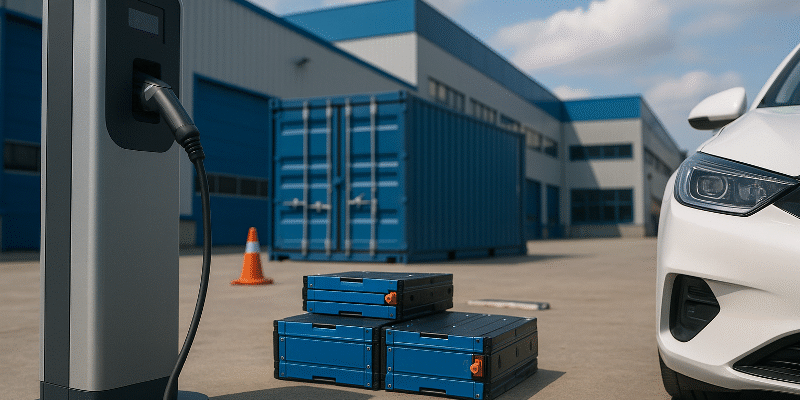
Transporting EV batteries requires specialized handling due to their weight, chemical content, and potential hazards. This calls for an expanded focus on heavy-duty lifting, packaging, and distribution systems.
Engineering Equipment Providers
A supplier of engineering equipment & tools Karawang supports companies by supplying advanced cranes, hoists, and precision tools designed for hazardous materials.
Digital Logistics Tracking
Smart logistics systems, such as IoT-enabled asset tracking, help minimize risks of damage or delay. Karawang’s industrial base is gradually adopting these technologies.
4. Workforce Preparedness
Skills and Training
Developing a skilled workforce is crucial. Training programs must include chemical hazard management, electrical safety, and emergency drills specific to EV battery handling.
Safety Awareness Campaigns
Suppliers collaborate with manufacturers to create awareness campaigns, ensuring that safety is embedded in company culture.
Certification Programs
Global certifications like OSHA and NEBOSH are being integrated into employee development frameworks to align with international safety expectations.
Collaboration with Suppliers
Companies increasingly rely on local suppliers to provide training kits, manuals, and updated safety equipment, reinforcing their operational resilience.
5. Supplier Network Synergies
Integrated Procurement
The EV battery ecosystem Karawang demands seamless collaboration between upstream material providers and downstream maintenance suppliers.
Strategic Alliances
Alliances between Karawang industrial supplier networks strengthen reliability and responsiveness, enabling firms to adapt to sudden shifts in demand.
Knowledge Sharing
Workshops and technical forums foster cross-industry knowledge exchange, aligning safety, chemical handling, and logistics practices.
6. Frequently Asked Questions (FAQ)
Q: Why is Karawang important in Indonesia’s EV battery ecosystem?
A: Karawang is a hub for automotive and industrial manufacturing, making it a strategic location for EV battery supply chain development.
Q: What role do MRO suppliers play in this ecosystem?
A: Karawang MRO supplier networks ensure continuous maintenance, repair, and operations support, keeping facilities reliable and compliant.
Q: How are safety risks managed in battery logistics?
A: By deploying advanced safety tools, certified lifting equipment, and IoT-based monitoring systems provided by local suppliers.
Q: Which certifications are relevant to battery safety management?
A: ISO standards, OSHA guidelines, and national regulations set the foundation for compliance.
Q: Where can companies find trusted suppliers?
A: Local industrial suppliers in Karawang provide chemical distribution, safety tools, and engineering equipment tailored for EV industries.
7. How-To Guide for Industrial Partners
- Assess Risks: Conduct a thorough safety audit of battery handling and chemical processes.
- Select Certified Suppliers: Partner with suppliers that meet global safety and sustainability standards.
- Implement Training: Ensure workforce readiness with EV-specific safety and chemical training.
- Adopt Digital Tools: Use IoT and digital monitoring systems for real-time logistics oversight.
- Review Regularly: Continuously evaluate safety performance and adjust procurement accordingly.
8. Comparative Table: Conventional vs. EV Battery Supply Chain
| Aspect | Conventional Supply Chain | EV Battery Ecosystem Karawang |
|---|---|---|
| Safety Requirements | Standard PPE and training | Advanced PPE, IoT monitoring, spill kits |
| Chemical Handling | Basic solvents | Lithium, electrolytes, high-risk chemicals |
| Logistics | General freight | Specialized containers, UN-compliant transport |
| Supplier Involvement | Single-source focus | Integrated multi-supplier collaboration |
| Workforce Training | General safety programs | EV-specific certifications and drills |
9. Towards Excellence Together
Karawang’s industrial landscape is evolving rapidly, and the EV battery ecosystem Karawang has become a powerful driver of transformation. At PT Duta Swarna Dwipa, we acknowledge that our journey may not yet be perfect or ideal, but we are committed to continuous improvement to serve as a trusted partner in this growing field. As a B to B procurement supplier for MRO industrial needs throughout Indonesia, officially registered with AHU, we aim to provide holistic support for your industrial operations.
In Karawang and beyond, our team is ready to visit and discuss your specific needs—whether it’s safety tools, industrial chemicals, or engineering equipment. For further collaboration, we warmly invite you to reach us through our contact us page or the WhatsApp button available at the bottom of our website. Let us move forward together toward safer, smarter, and more sustainable supply chains.